Fleet-Ready innovation
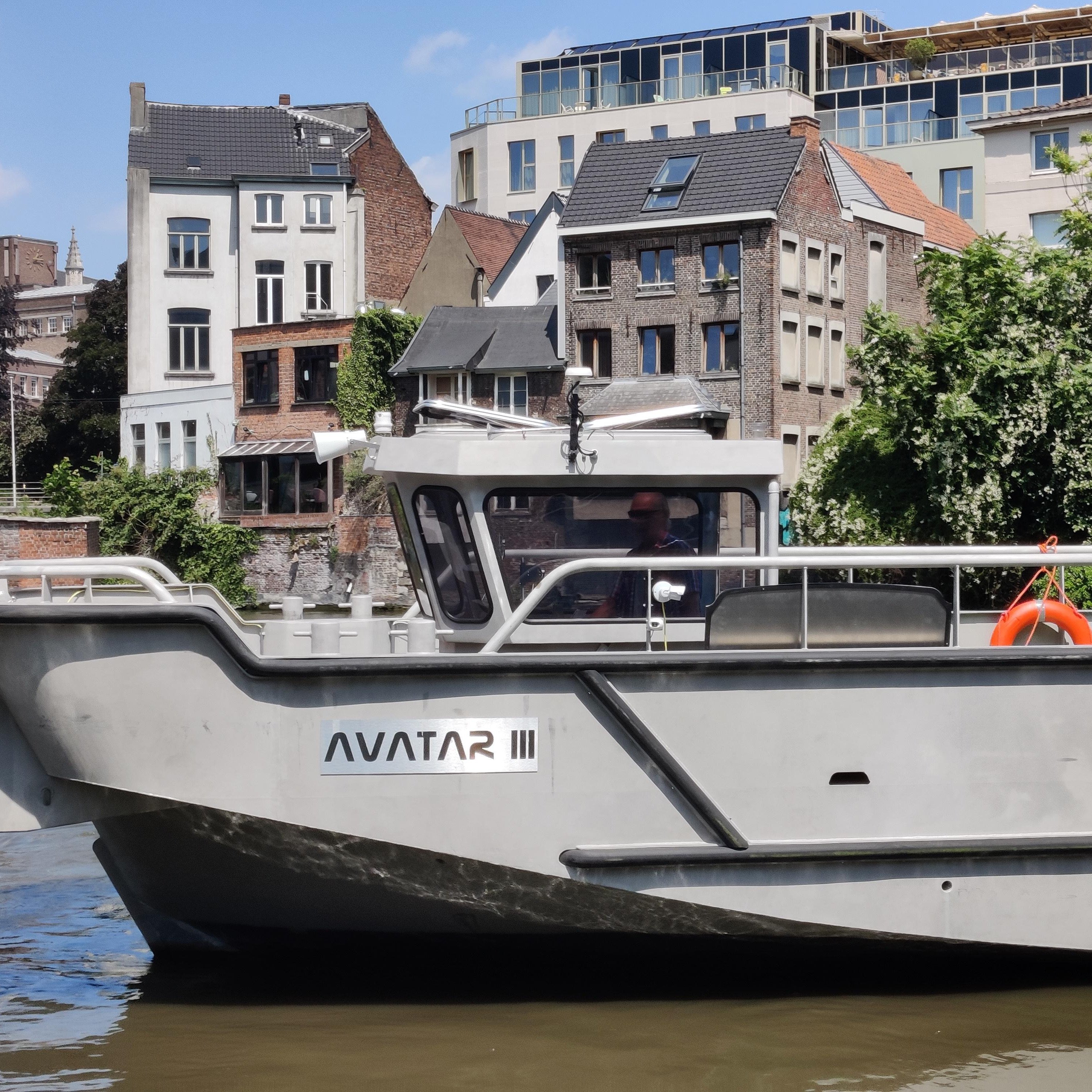
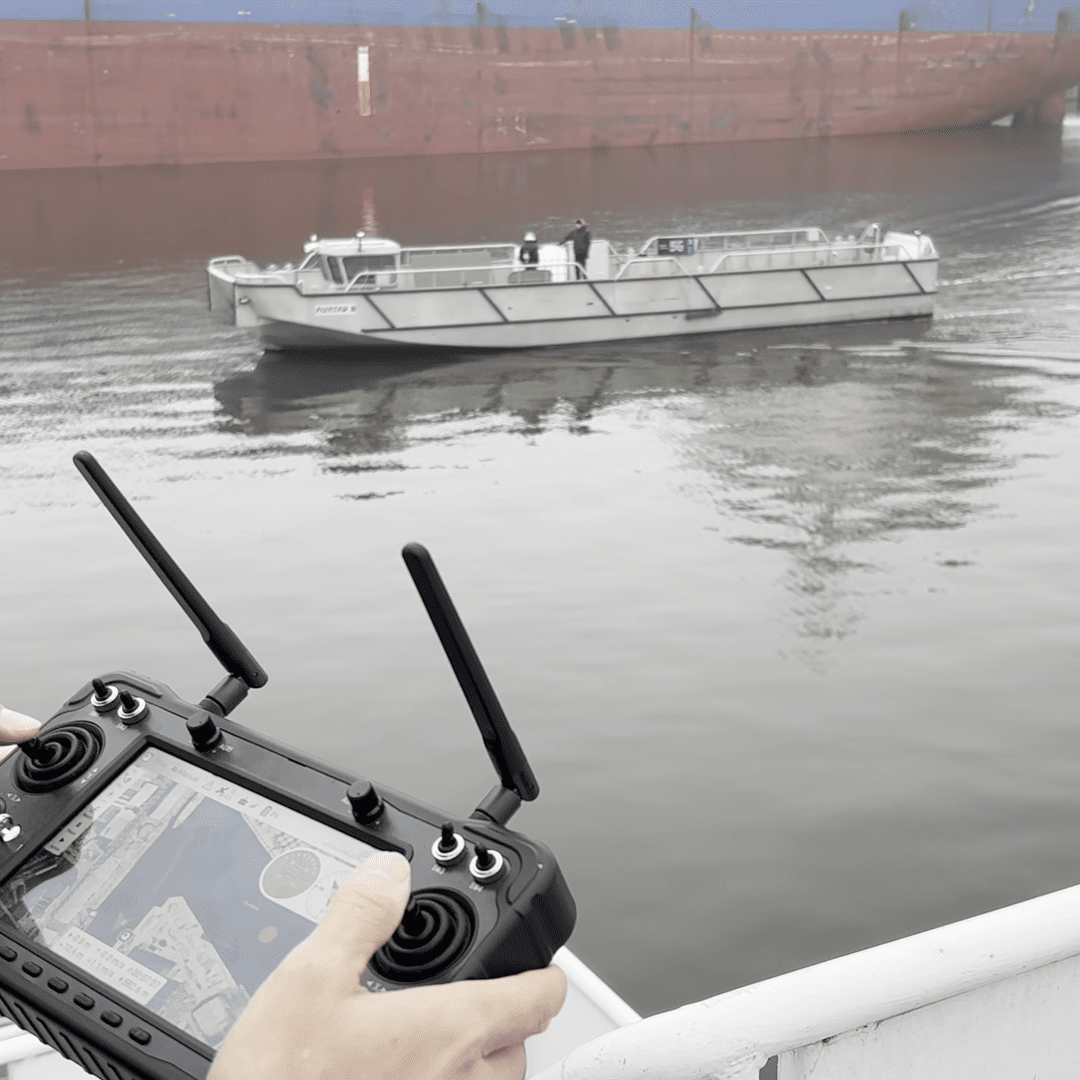
At night, when the city of Ghent comes to rest, AVATAR gets to work.
The autonomous vessel operates between the transshipment hub in the Port of Ghent and construction sites within the city centre.
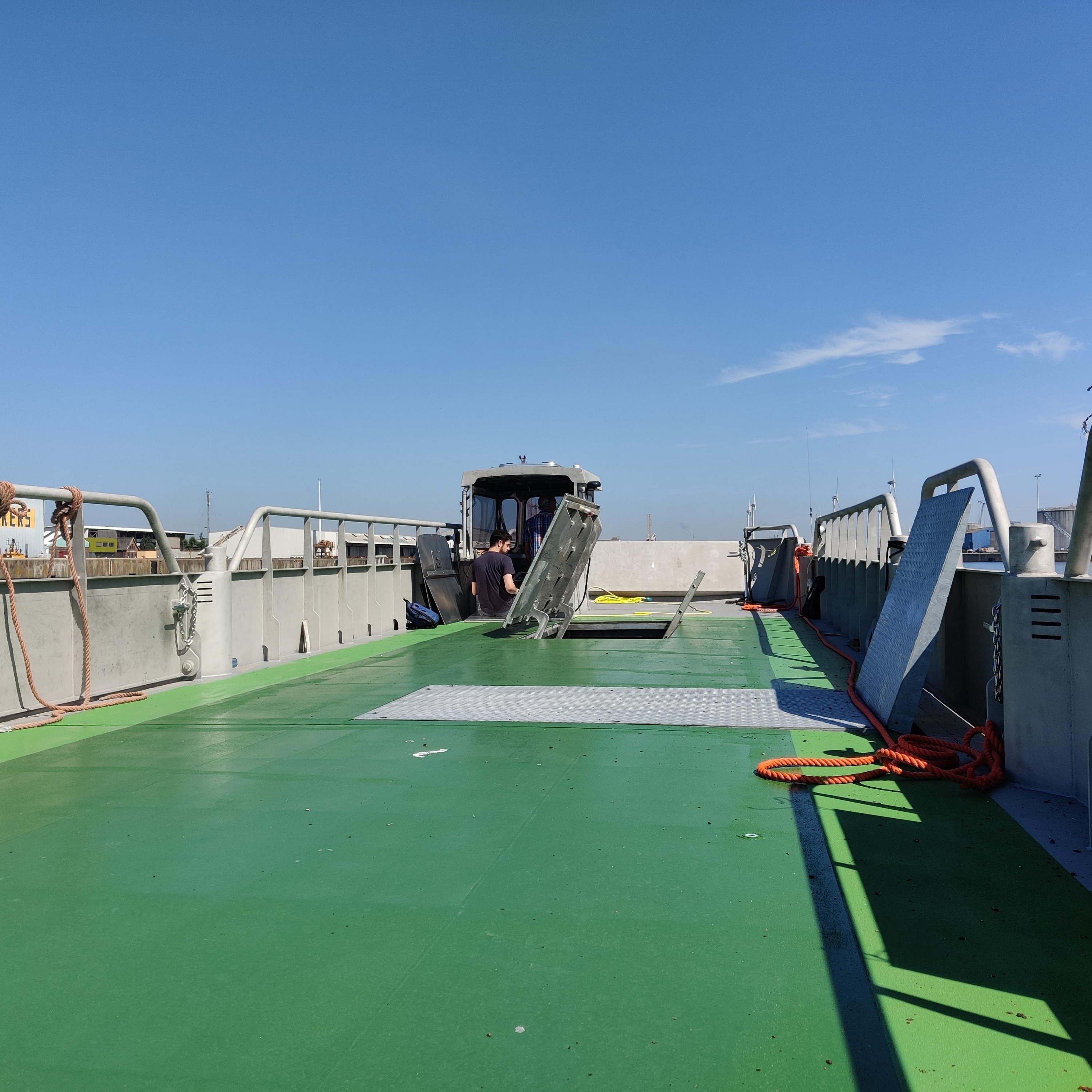
There, it delivers building materials and installation equipment close to the end user — without trucks, congestion, or noise.
During the day, it takes on a second role: providing mobile energy services on and around the water, ranging from battery swapping to temporary shore power for construction sites and events.
The result: fewer vans in the city, lower emissions, less congestion, and a visible step towards smart urban logistics through inland waterways.
From Test to Reality
The project is a collaboration between P&E Lowlands and the Research & Innovation Centre (RIC).
Together, they are bringing technology from the testing phase into real world operations.
RIC provides the testing infrastructure, data platform, and validation methodology.
P&E Lowlands delivers the electric propulsion system, energy architecture, automation, and onboard integration.
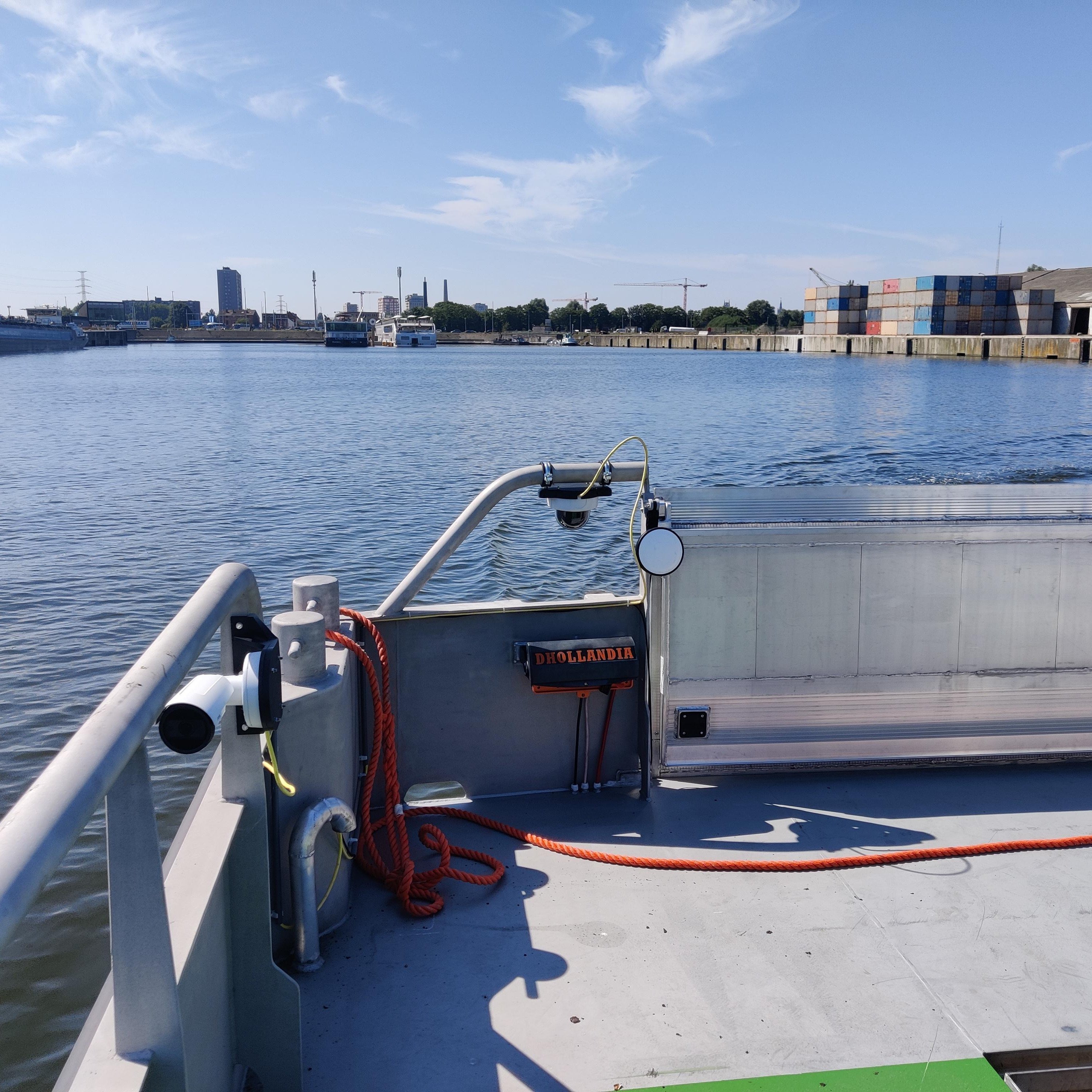
The software onboard AVATAR enables the vessel to navigate autonomously, avoid obstacles, and dock independently.
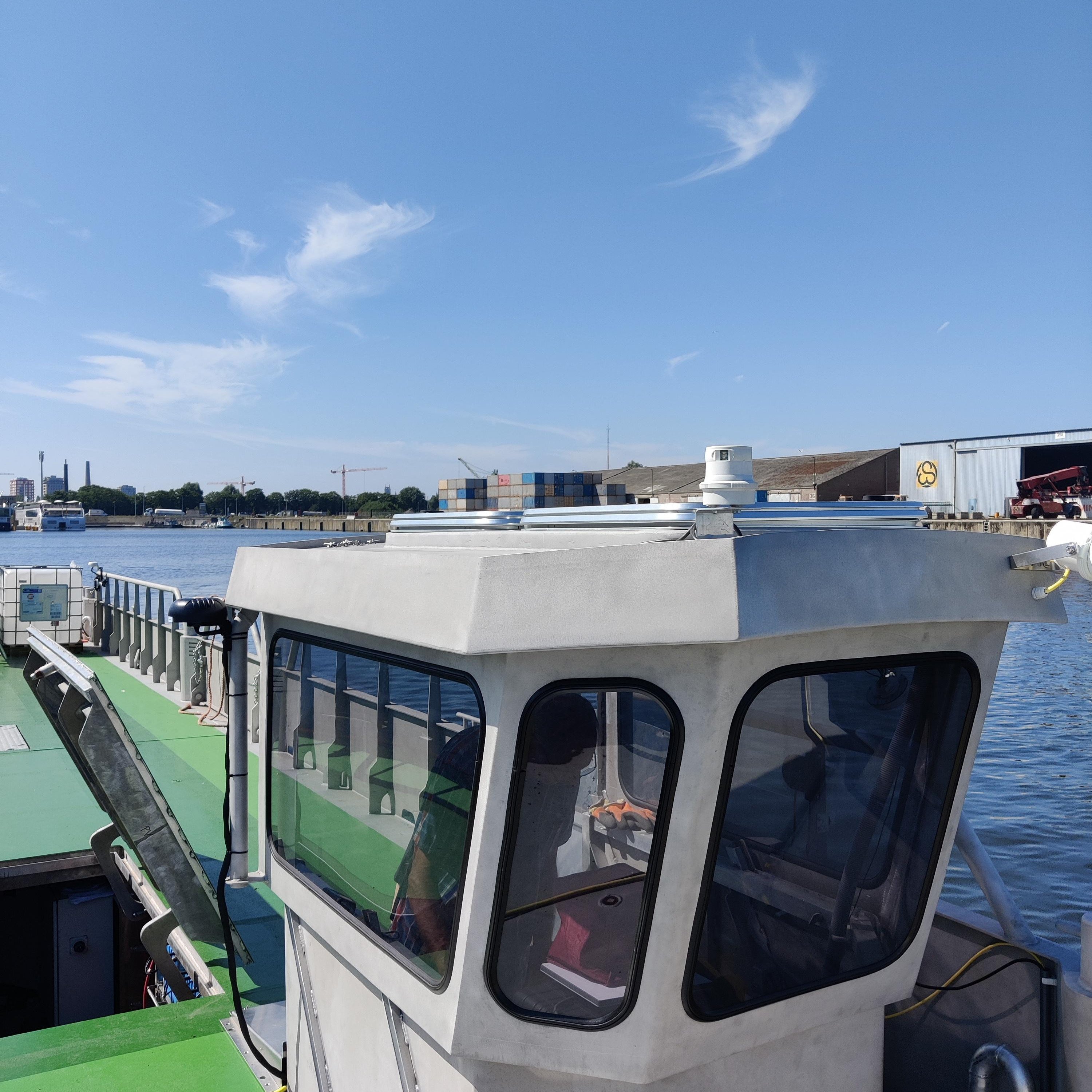
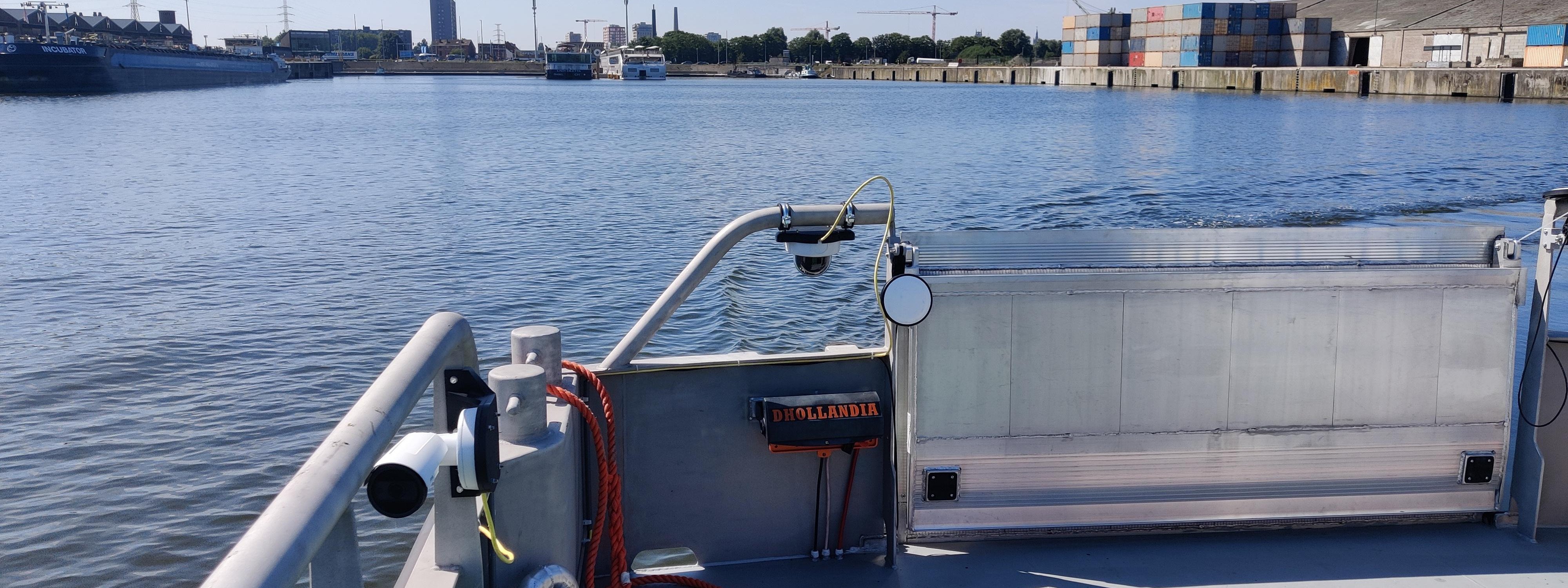
The navigation system combines RTK GPS, LiDAR, radar, and camera data into a robust and safe decision making model.
Through a secure 4G/5G connection, the vessel remains continuously linked to the RIC Command Centre, where routes and performance are monitored in real time.
When the system detects an anomaly, an operator can intervene. The objective is clear: a reliable, independently operating logistics vessel.
What Makes This Project Unique
AVATAR is not a laboratory experiment.
It is a working vessel that will perform daily logistics operations in the city of Ghent in the coming months.
The focus is not on experimentation, but on proving performance under real operating conditions: loading, sailing, unloading, recharging, and departing again.
All operational data — energy consumption, navigation accuracy, autonomy performance, and maintenance intervals — is recorded and translated into a repeatable model for future vessels.
Through this project, RIC and P&E Lowlands demonstrate how autonomous and electric technologies are maturing into practical solutions: reliable, scalable, and ready for the fleets of tomorrow.
Applications on the Horizon
The technology behind AVATAR can be applied across a wide range of operations:
- Urban logistics and supply chains (construction materials, waste streams, events)
- Port services and maintenance operations
- Survey and inspection fleets
- Mobile energy services on waterways
- Autonomous ferries operating fixed routes
Every application serves the same objective: zero emission and efficient transport via water, with fewer personnel requirements, lower fuel consumption, and greater operational continuity.
Demonstration Phase in 2026
The testing and demonstration phase will begin in 2026 from the AVATAR Hub in Ghent (Houtdok Marina).
Partners, shipyards, government authorities, and companies looking to decarbonise their logistics operations or vessel fleets will be able to experience the technology firsthand, review operational data, and contribute to the first commercial applications.
Become a Reference Partner
Be among the first to deploy this technology within your fleet or project.
Interested? Contact P&E Lowlands or RIC to schedule a demonstration or information session.